Summer camp for youth with disabilities and their families
Together. Just Being – a Special Camp for Youth with Disabilities and Their Families in Alytus
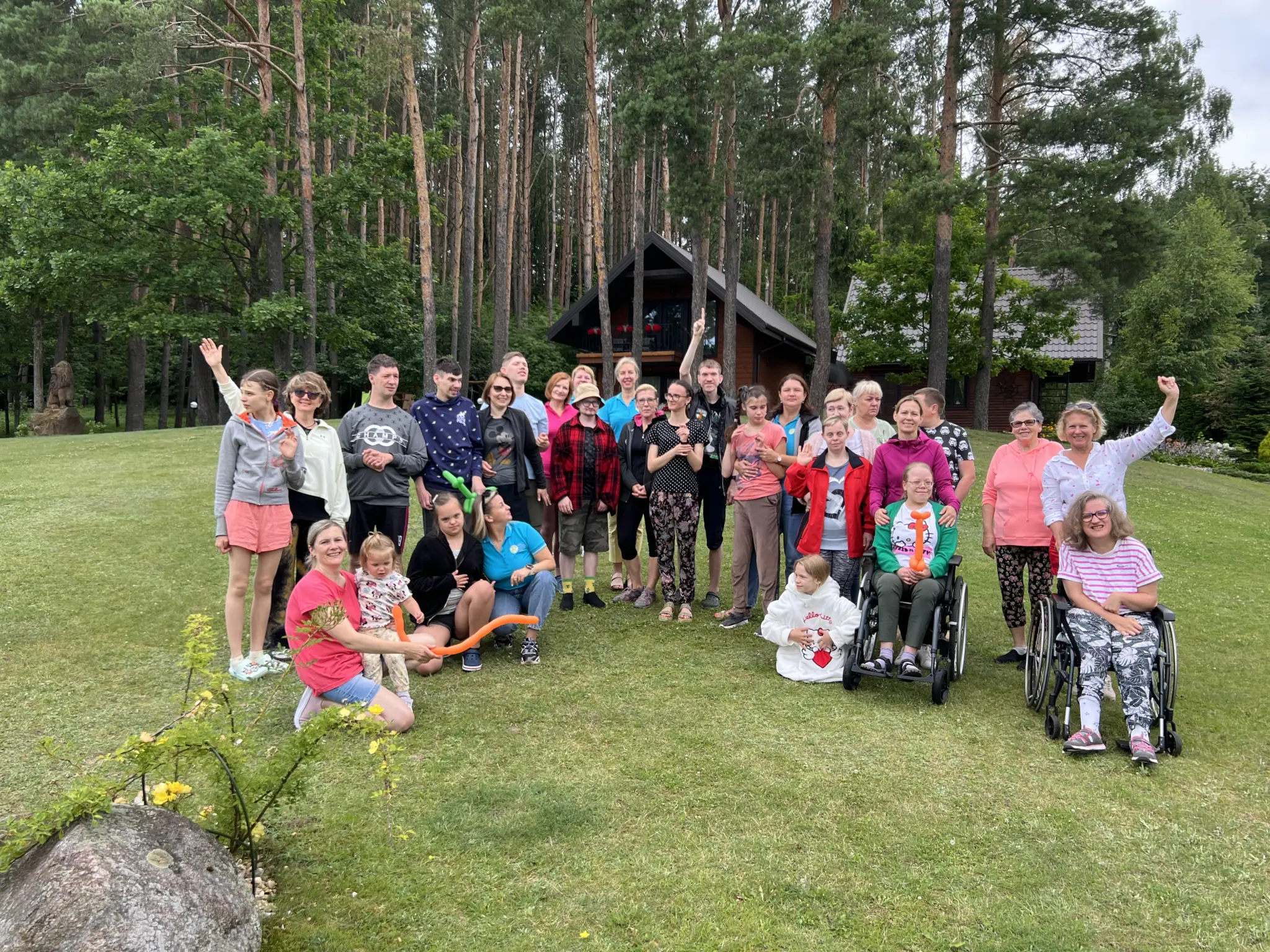
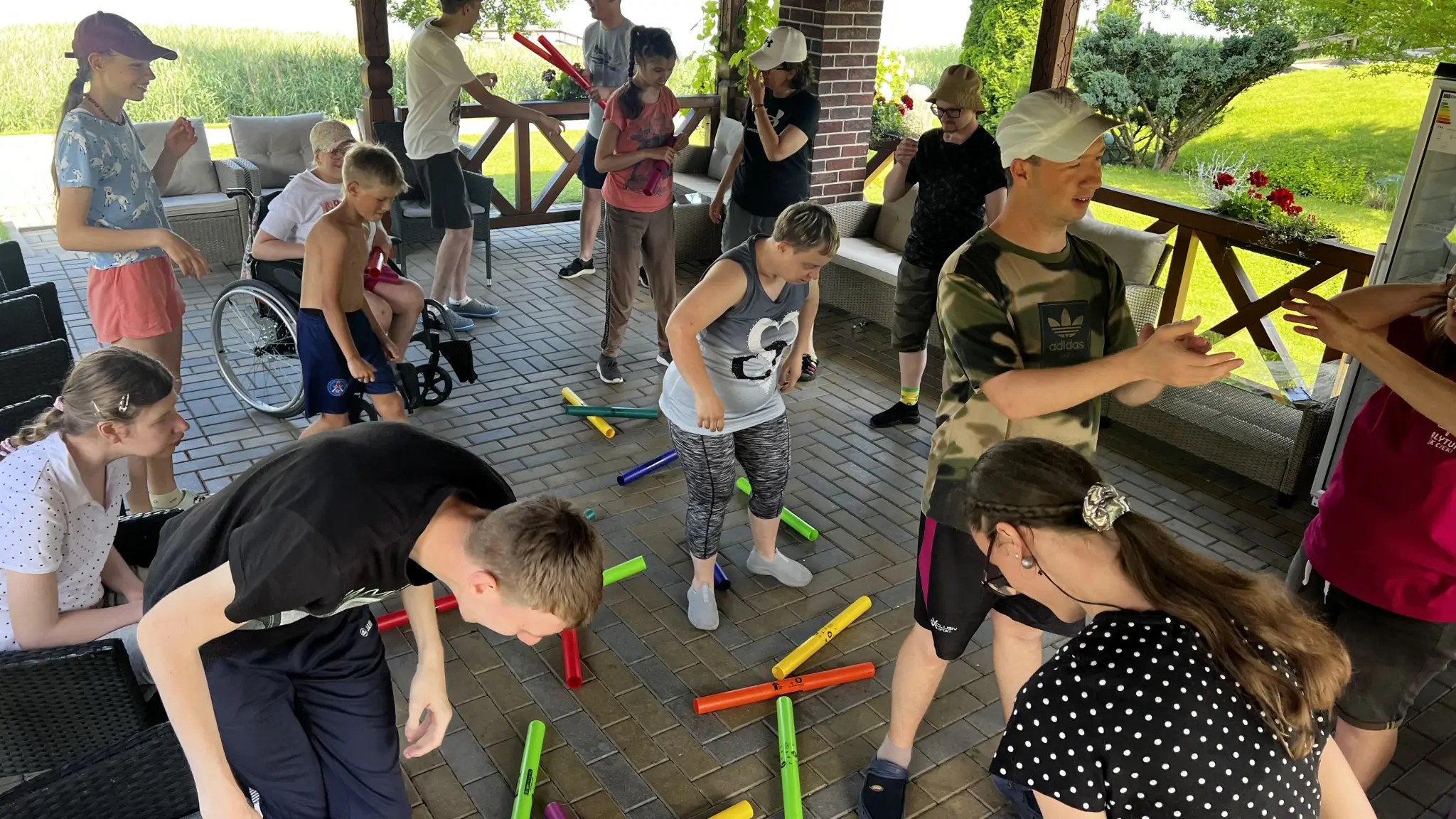
Summer is the time for vacations—when everyone travels, relaxes, and enjoys themselves. So in mid-July, surrounded by nature, warmth, and people who understand each other without words, more than 40 participants gathered for a four-day therapeutic camp “Together. Just Being.” The camp took place at Genutė’s homestead in Alovė and was dedicated to young people with disabilities and their families—those who live their daily lives a bit differently, but who feel, dream, and love just the same.
Camp Philosophy: A Response to Social Exclusion
The idea behind the camp is simple: slow down, don’t judge, accept. Just be together. Be present.
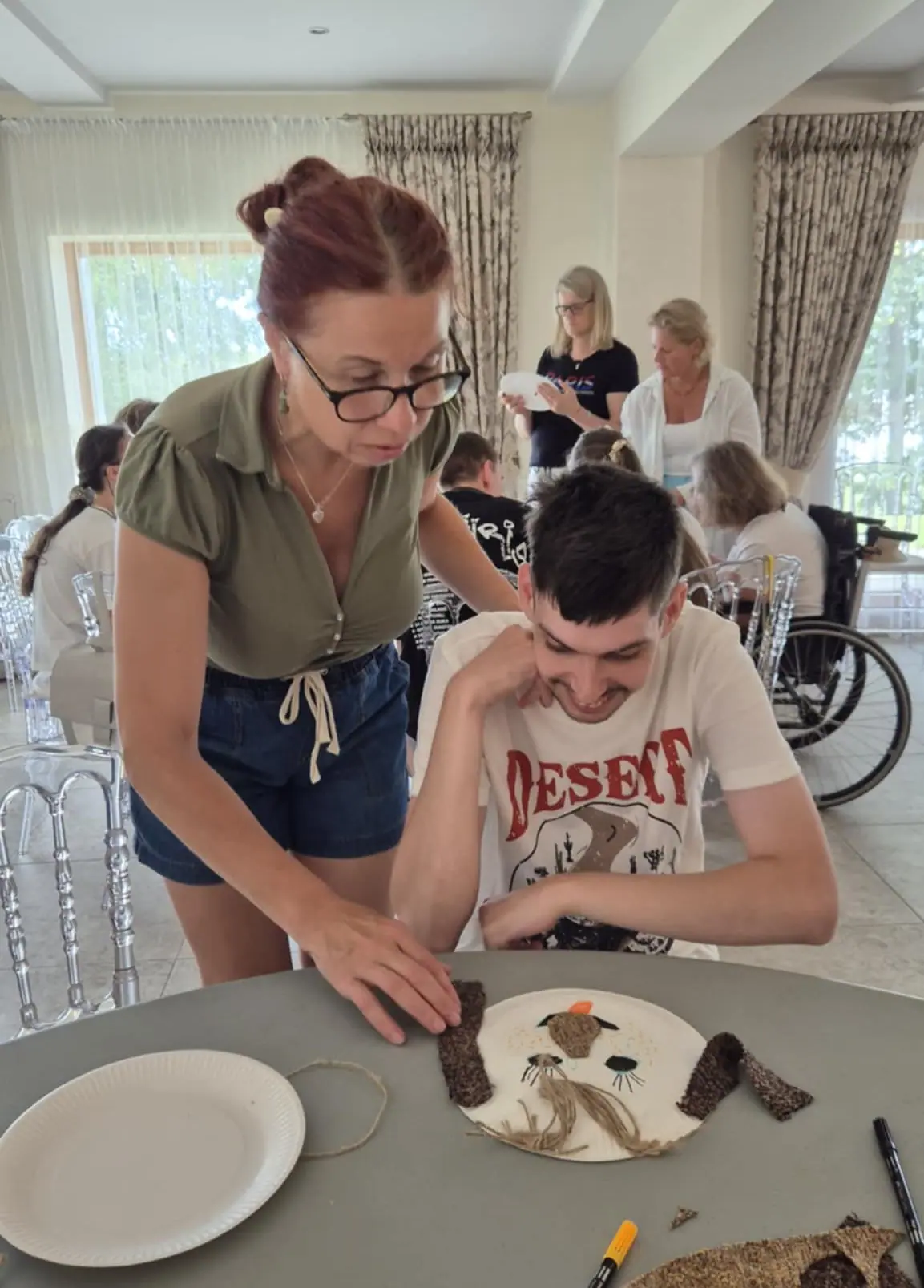
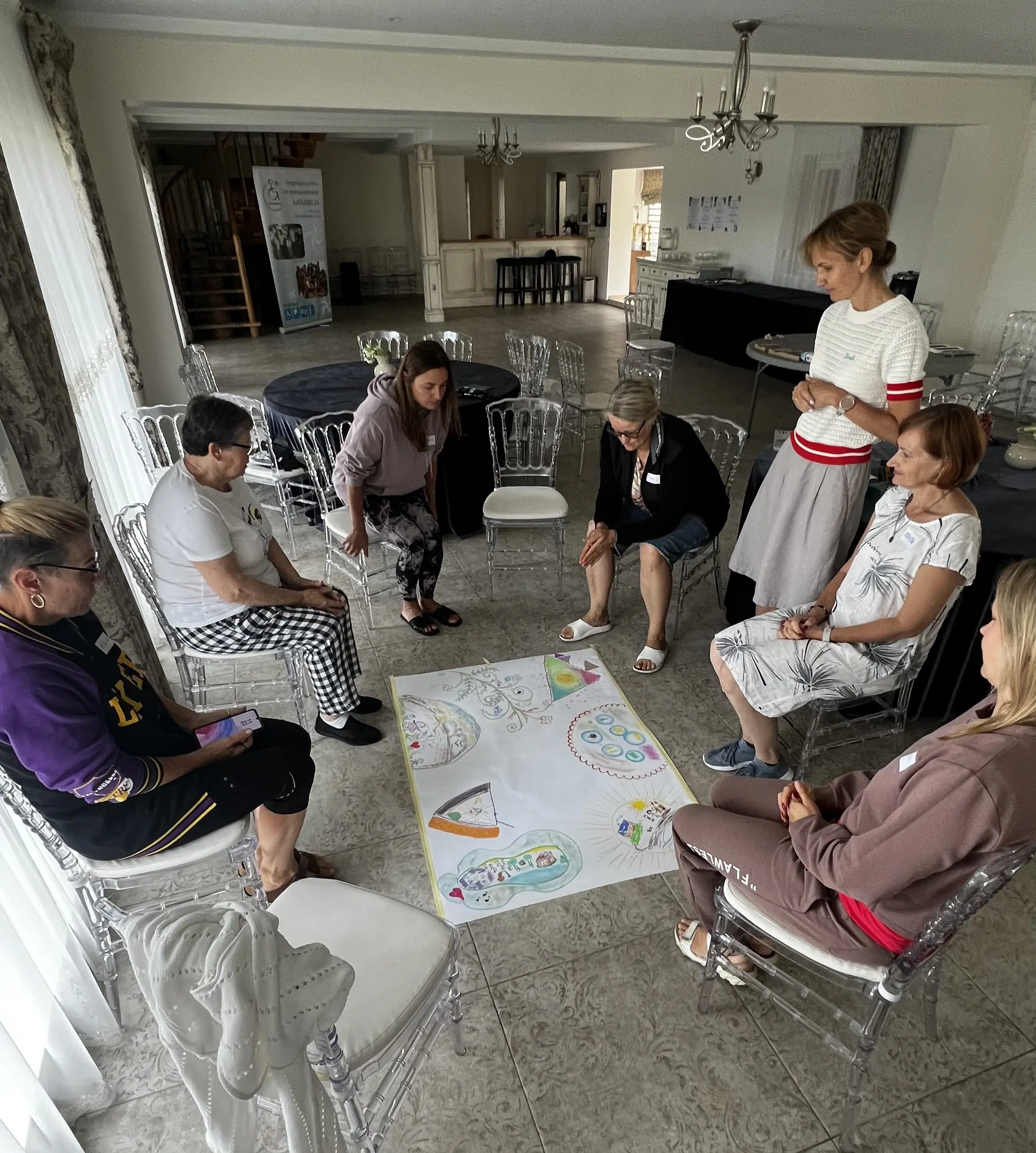
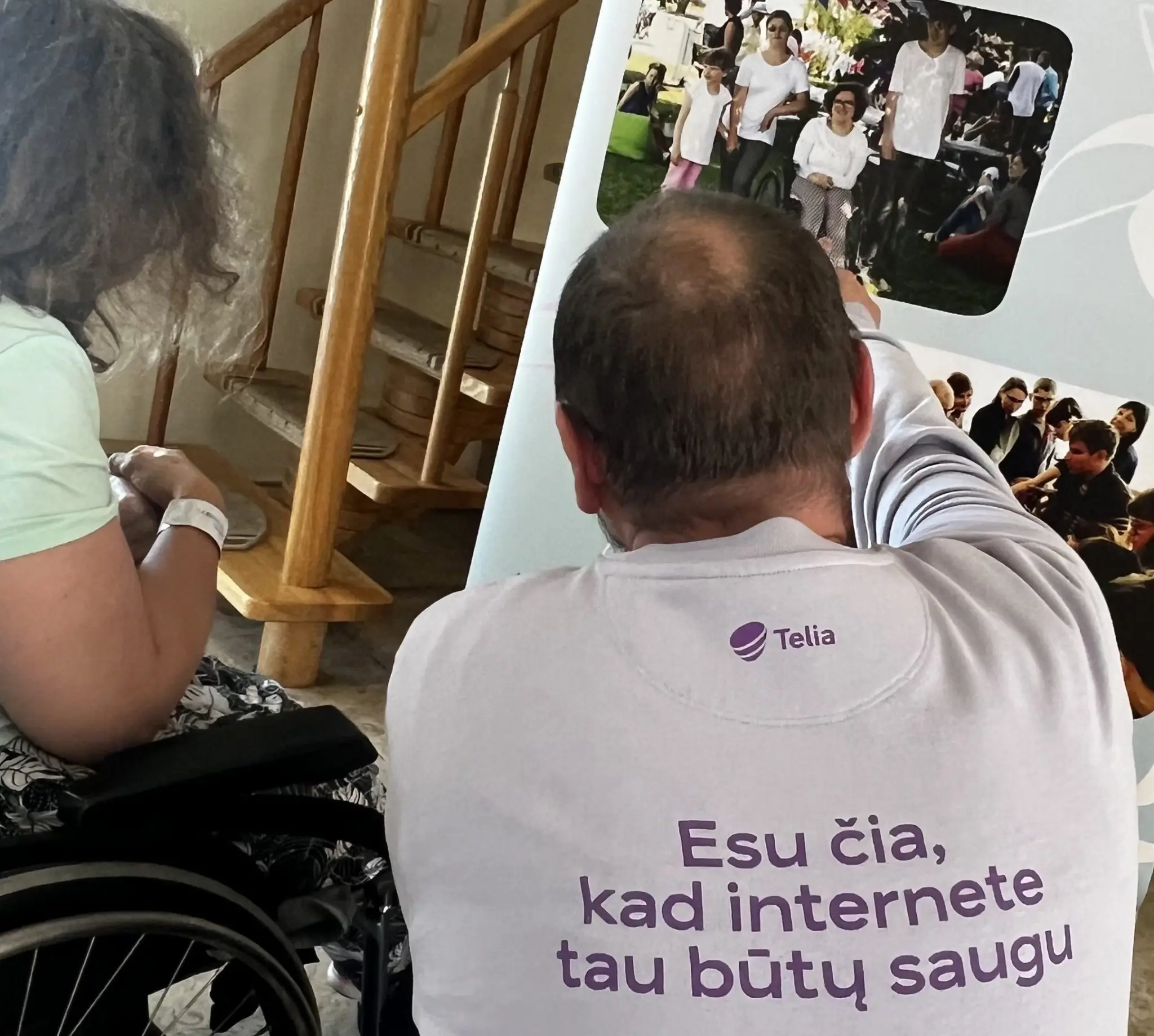
Over several days, participants engaged in a variety of activities: the young people tried theater therapy with actress Ona Gudaitytė, sang, danced, practiced wool felting, took part in educational sessions on personal hygiene and internet safety, while parents were given time for themselves—therapeutic conversations, quiet reflection, or simply a cup of coffee with other parents who understand what constant fatigue and care truly mean.
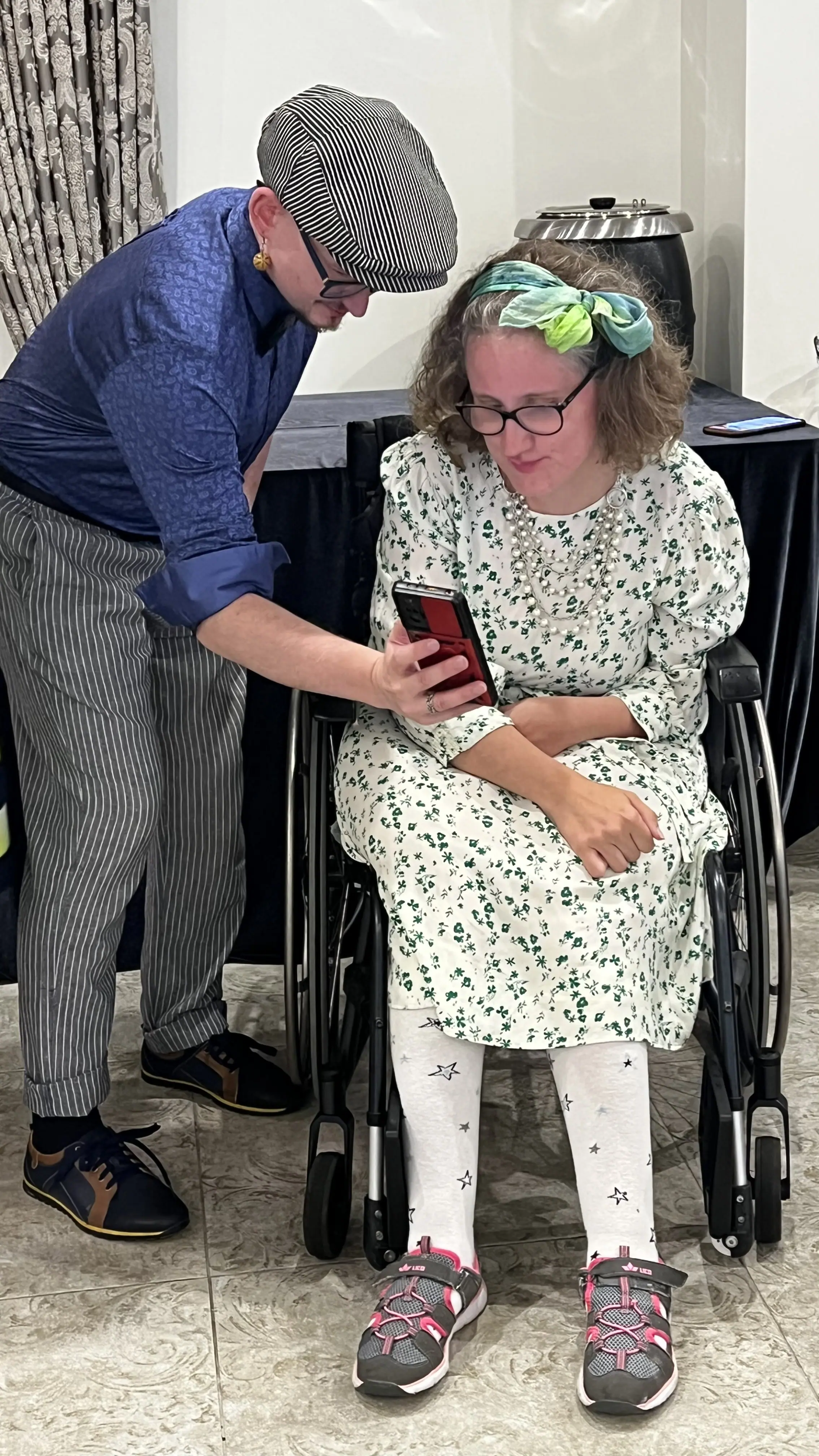
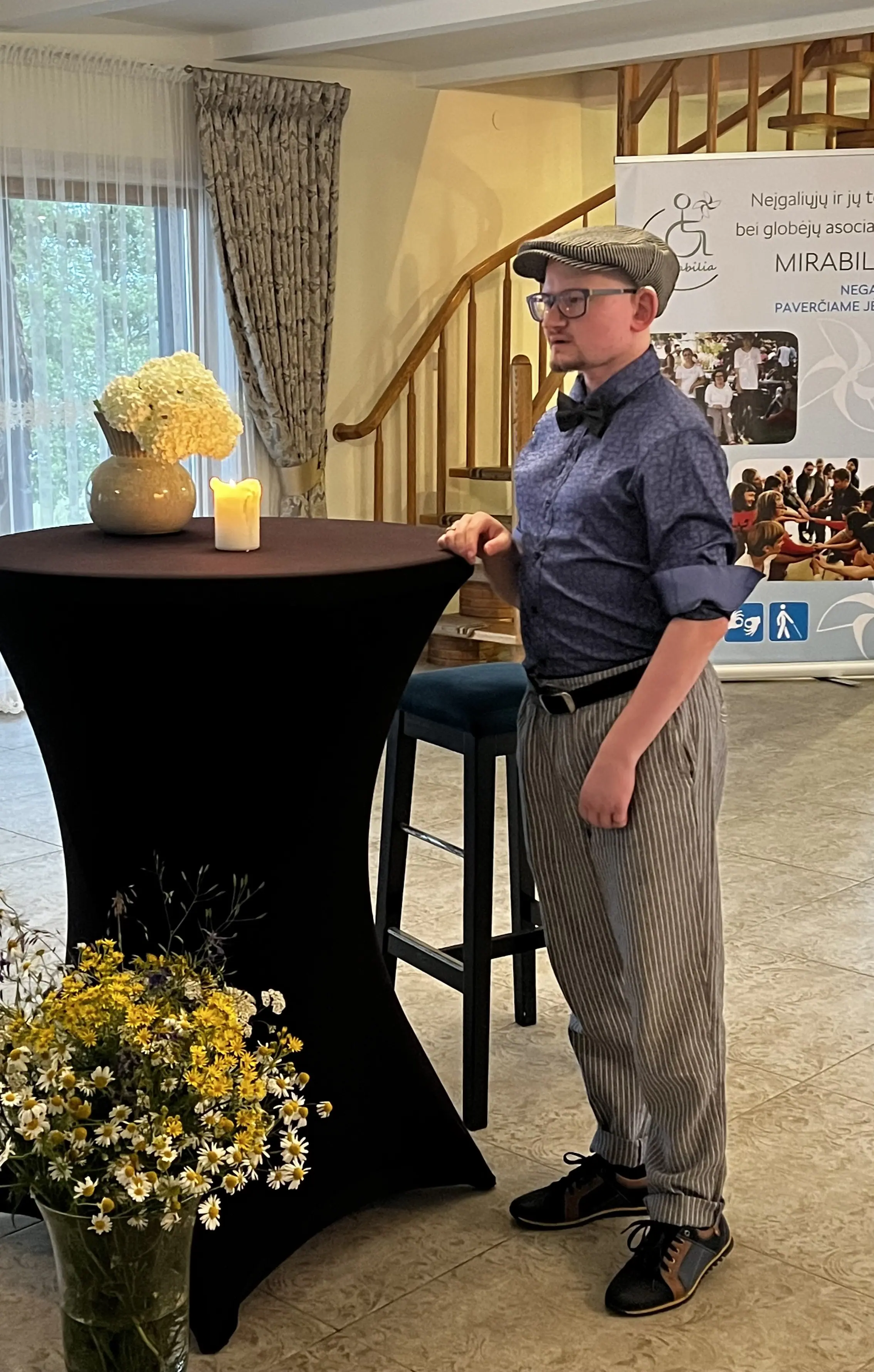
In the evenings, everything turned into celebration— a retro-style poetry night, a musical gathering, and on the final evening, a true “journey around the world,” where each family presented their favorite country with costumes, food stories, and smiles.
“This was already our eighth camp. We started with a small group of families, and now we come together as one community. Each year brings more smiles, courage, and acceptance. That’s why we continue—because the lack of leisure services for youth with disabilities is a systemic problem and has not yet changed. Social isolation among young people with disabilities is one of today’s biggest issues. Many spend most of their time at home, without opportunities to share emotions with peers. This reality affects the quality of life not only for the youth, but also for their families,” says one of the organizers, Gitana Pinkevičienė, head of the Association of People with Disabilities and Their Parents/Guardians “Mirabilia.”
A Space for Emotional Renewal
The uniqueness of this camp lies not in the number of activities, but in their depth. Nothing was rushed; instead, there was space for true presence, listening, and connection. From individual respite therapy sessions for parents to theater, music, and art therapy for the youth—every moment was created with care and sensitivity.
One especially memorable moment was the joint preparation of pilaf on the third day. This activity brought everyone together around one pot—the kitchen became a symbolic center of family unity.
“Camps like this are healing. Not through noise, but through closeness. It’s a space among your own people, where you don’t need to pretend or explain why your child behaves differently. Everyone is accepted—just as they are. This camp is like a recharge for the whole year. Knowing that at least once a year there is a place where everything is understood and easy—it makes everyday life easier,” shared Irma K., a mother participating not for the first time.
The Invisible Problem: Family Burnout
During the camp, great attention was given to the relatives of young people with disabilities: mothers, fathers, brothers, and sisters. In Lithuania, there is still no system that helps families reduce their daily burden. Constant care for a disabled family member often forces parents to forget their own needs, and long-term emotional strain leads to burnout, significantly affecting both emotional and physical health.
The camp program included individual respite therapy sessions for parents, as well as an art therapy session with therapist Jūratė Bukauskienė.
“Most of our families never get rest or the chance to spend time with like-minded people. But here—there is peace, acceptance, and the opportunity to be with others who understand without words,” said Dalia L., one of the camp participants.